MONTHLY MEETINGS
Monthly meetings are held on the second Monday of every month at 7:00 p.m. from September through May at the Cape Cod Museum of Natural History, 869 Rte. 6A, in Brewster, MA. The door opens at 6:30 to provide time to socialize and pick up information.
Meetings are held at the Cape Cod Museum of Natural History, Brewster. In addition, for those who cannot make it to the meeting, or prefer to remain at home, a zoom link will be posted close to the meeting date. Not all meetings will be on zoom.
PROGRAMS FOR 2026 – 2027
Sep 14, 2026
“My Wild Life: Rare Birds, Close Calls, and Adventures of an Eco-Explorer”, with Peter Alden
Link to the Welcome Slideshow (12 minutes): https://youtu.be/5E57vphqImY (no audio)
Oct 12, 2026
“Chasing the North America Big Year Record”, with David & Tammy McQuade
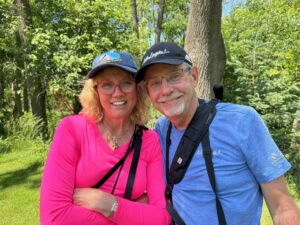 If you have ever wondered how someone could possibly see the most birds in North America in one year (while holding a job!), then we have a story for you.
David and Tammy are high school sweethearts who each developed a love for birds and the outdoors as children. In 2012, their life changed forever when they saw the movie: “The Big Year”. The idea of counting birds had an incredible appeal to them. The challenge of a year long scavenger hunt really resonated with them.
They started with a Big Weekend around Lee County, Florida. It didn’t take long for it to grow rapidly to County Big Years, then Florida Big Years. Once they realized they could coordinate their work with birding, that changed everything. They expanded to Lower 48 Big Years, ABA and US Big Years, and more recently North America and AOU Big years. They have been fortunate to finish #1 multiple times in each of these categories. They are also the only birders to see over 700 birds in the US 7 years in a row.
While they are proud of their accomplishments doing Big Years, they are most proud of their contributions to research in understanding bird diversity in the Gulf of Mexico. When they are not traveling or working, they love to venture out on long-range pelagic trips in the Gulf of Mexico on their boat, the McLagic.
David is a former Board of Directors member for the ABA, with Tammy having served on several committees for the ABA. They are the current administrators for the SW Florida Bird Alert Facebook Group, and are annual guides for the Cape Coral Burrowing Owl Festival.
Nov 9, 2026
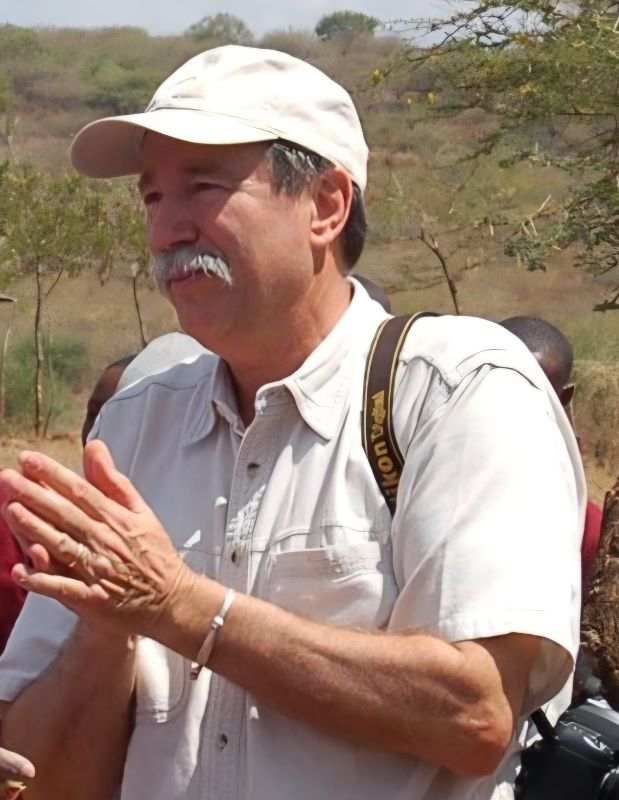
“The Unique Wildlife of the Land Down Under”, with David and Fran Clapp
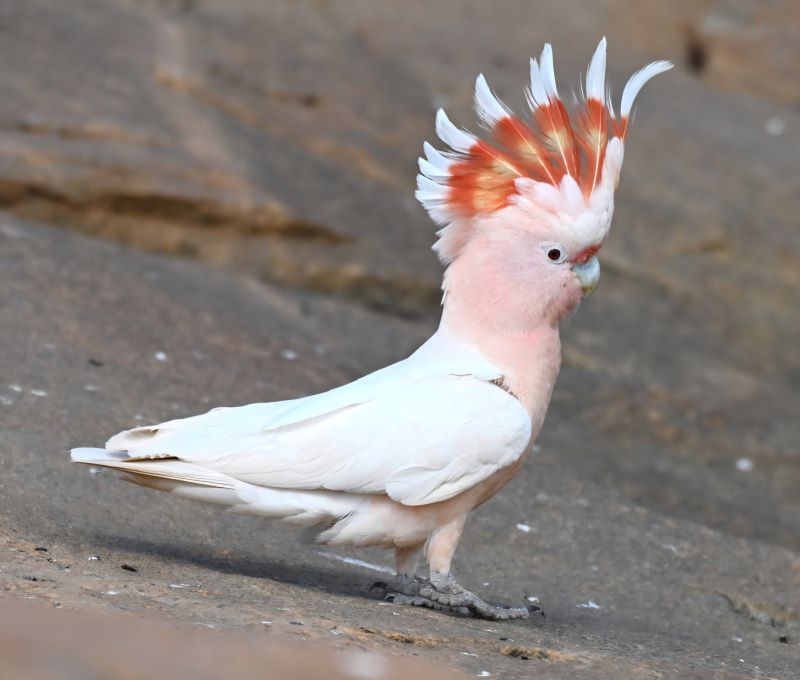
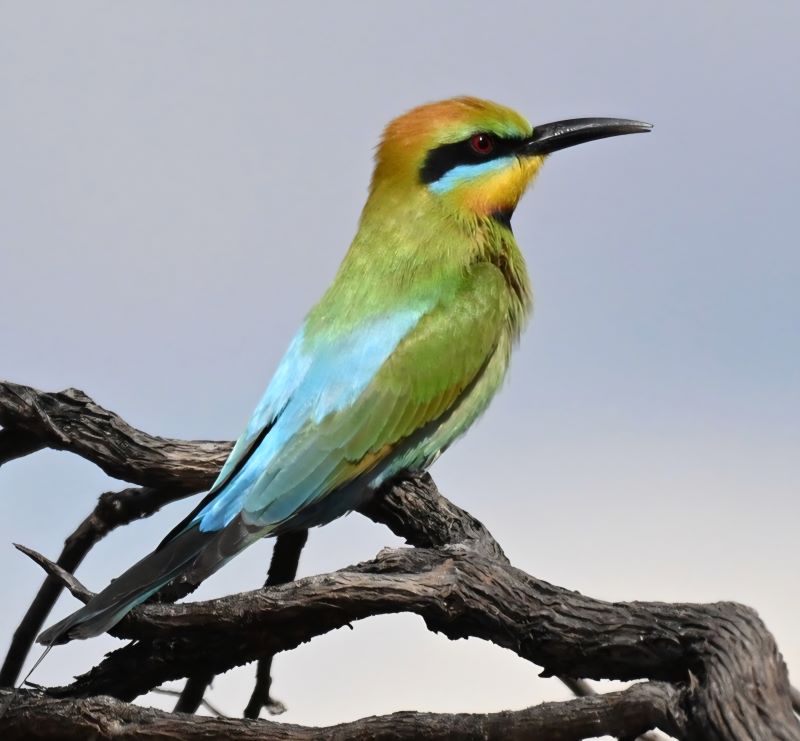
 The birds of Australia, much like the mammals, evolved great distances from the rest of the world’s land masses.
Parrots, honeyeaters, wattlebirds, miners and many other groups developed down there. Migrants from north of the equator found long migrations to Australia well worth their efforts. Consequently, Australia has become a major birding destination. There are also other icons such as the Sydney Opera House, The Great Barrier Reef, Kata Tjuṯa, and Uluru. The tropical northern Darwin region and temperate Tasmania, have much to offer, as well. We will touch a lot of (avian) bases as we take you through this unique island continent.
 David Clapp is our current CCBC Vice President, and has worked and traveled the world as a natural history tour leader for more than thirty years. He has led over 100 tours for the Smithsonian Institution, and many more for BushTracks, Mass Audubon and other organizations. Visiting Sidney.
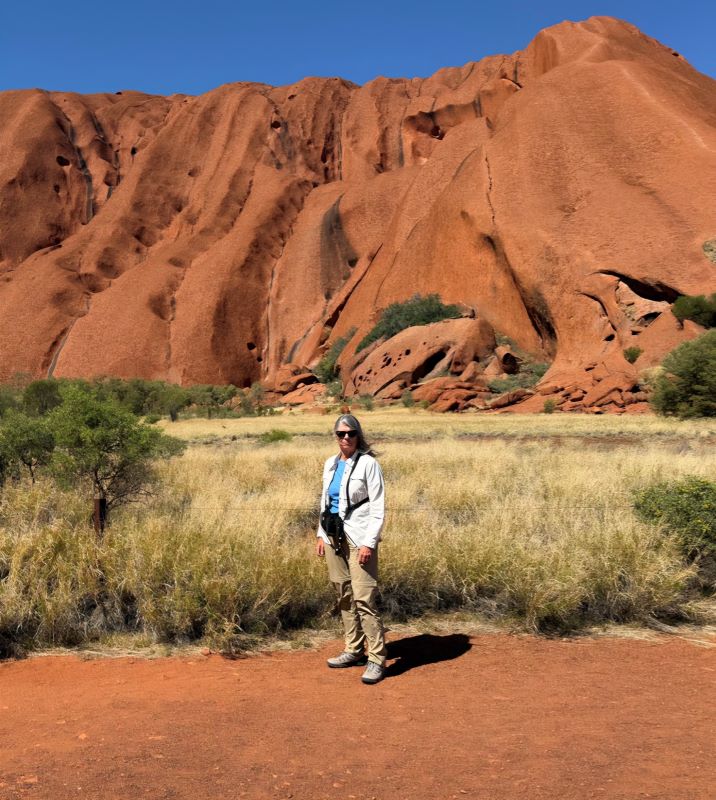
Fran Clapp was an aquatic insect taxonomist and vernal pool specialist for Mass Audubon and served as an aquatic ecologist for the Natural Heritage and Endangered Species Program. Photo of her at Uluru in northern Australia.
 |
 |
Dec 14, 2026
CCBC Members Only Holiday Party… 7-9:00 (Doors open at 6:30)
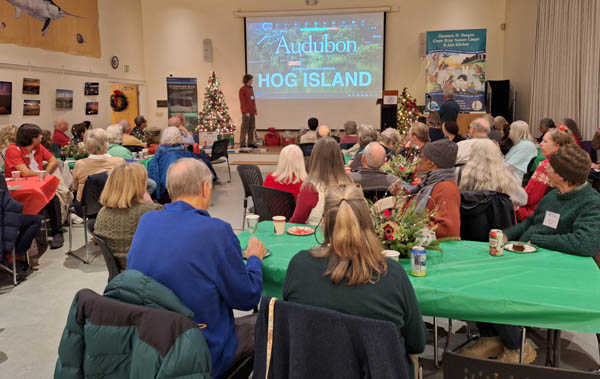
Please join us for our MEMBERS ONLY festive CCBC Holiday Party featuring our 2026 teen Hog Island Scholarship recipient, Brearley Ward, sharing his camp experience. Games, raffles, prizes, and refreshments with your fellow bird club members! If you’re interested in helping with the party planning, set-up, or clean-up, please contact us at info@capecodbirdclub.org.
Jan 11, 2027
TBA
Feb 8, 2027
TBA
Mar 8, 2027
TBA
Apr 12, 2027
TBA
May 10, 2027
TBA